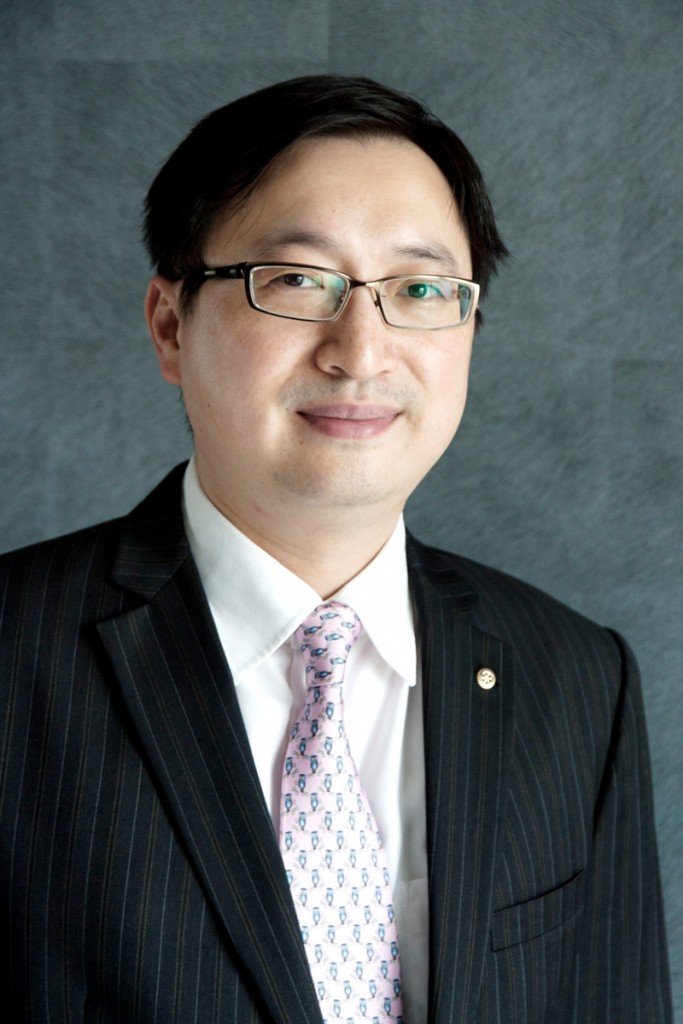
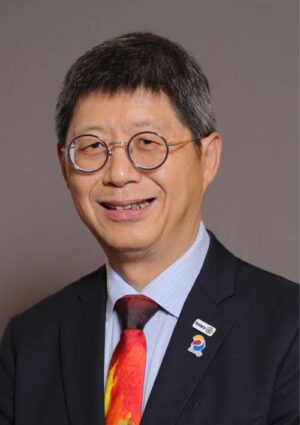
My Rotary Story

Every Rotarian's journey is unique. Mine began with a conviction that technology — in one of the world's most connected cities — was still failing too many people. What started as an idea became a charter, a club, a community, and ultimately, a calling to help others begin their own Rotary journeys.

This is the story of how I came to found the Rotary Club of Smart Hong Kong, what I have learnt across nine years of service, and why I believe the work of a Charter President is one of the most meaningful roles in all of Rotary.

2015 – 2016

The Vision Takes Shape

As an ICT professional in Hong Kong, I was struck by a paradox: our city boasted some of the world's fastest internet speeds, yet thousands of elderly and vulnerable residents were entirely cut off from the digital world. I began conversations with like-minded professionals in District 3450 about whether Rotary — with its ethos of Service Above Self — could be the vehicle to bridge this divide. The answer was yes. The idea of a technology-focused Rotary club was born.

2016 – 2017

Founding the Rotary Club of Smart Hong Kong

Over the course of a year, I assembled a founding team of eight dedicated officers — professionals from IT, business, and community service — and navigated the full chartering process with District 3450. On 23 February 2017, the Rotary Club of Smart Hong Kong was officially chartered under Rotary International District 3450, Area 2. It was one of the most memorable evenings of my life.

Charter President

2017 – 2019

Building the Club's Identity

After Charter Night, the real work began. As the club transitioned to its second and third presidents, I served as Treasurer — ensuring financial stability while the club established its service identity. We launched our first technology education programmes for the elderly, built our fellowship culture, and began growing our membership beyond the founding cohort.

2019 – 2021

Resilience Through the Pandemic

As Treasurer during the COVID-19 pandemic, I worked closely with successive presidents to keep the club financially sound and operationally active. RCSHK was among the early adopters of hybrid and online meeting formats in District 3450, ensuring our members stayed connected and our service projects continued despite the restrictions.

2021 – 2022

Returning as Club President

In Rotary Year 2021/22, I had the privilege of serving as Club President — returning to lead the club I had founded. This was a milestone year: we deepened our digital inclusion initiatives, strengthened our public image, and saw the club mature into a confident, self-sustaining community. Leading the club a second time, with the perspective of a founder, was a profoundly different and deeply rewarding experience.

Club President

2022 – 2025

Continued Service & Mentorship

In the years following my presidency, I continued to serve as Treasurer and as a senior mentor within the club, supporting successive presidents and contributing to the club's governance and strategic direction. I also became increasingly involved in District 3450 activities, sharing RCSHK's chartering experience with other clubs and district leaders.

2025 – Present

CP Academy Chairman, District 3450 RY 2026/27

In 2025, I was appointed Chairman of the District 3450 Charter President (CP) Academy for Rotary Year 2026/27. This role brings my journey full circle — from being a Charter President myself to now helping shape the next generation of club founders across Hong Kong, Macau, and Mongolia. The CP Academy is a four-session programme that equips incoming Charter Presidents with the knowledge, skills, and networks they need to succeed.

CP Academy Chairman
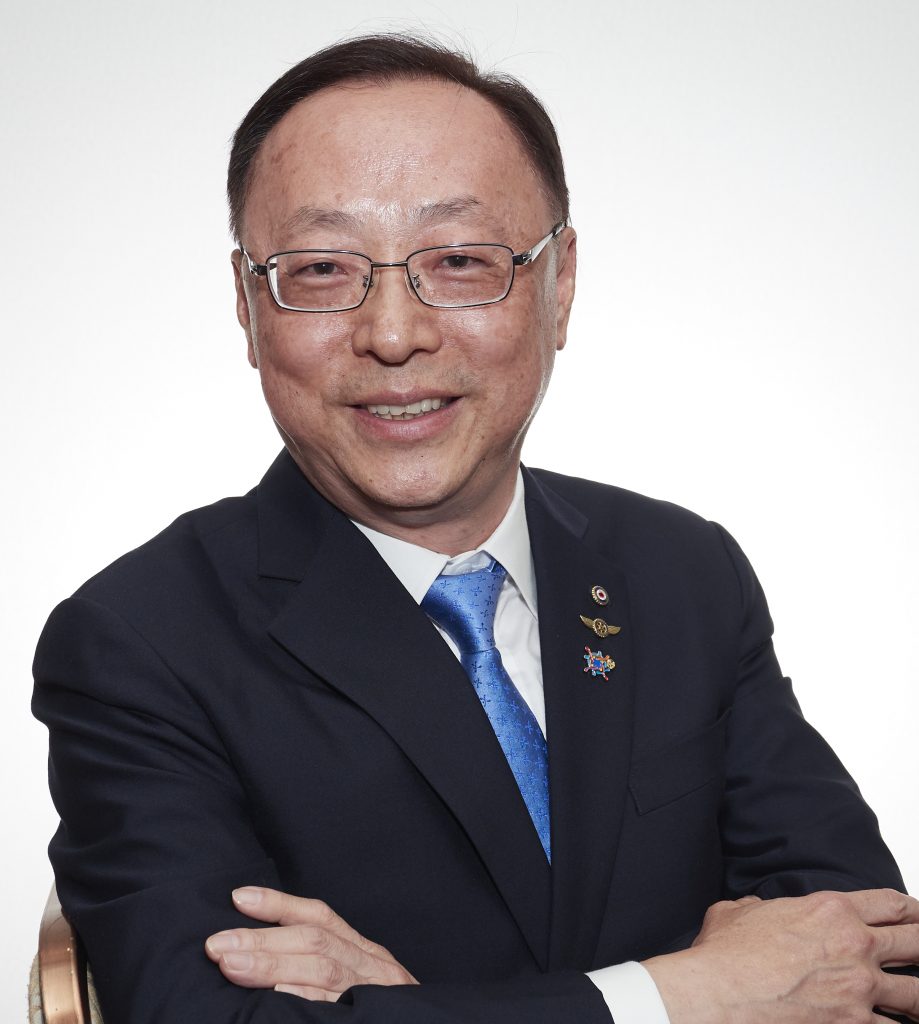
How We Chartered the Rotary Club of Smart Hong Kong

Chartering a Rotary club is one of the most demanding — and most rewarding — things a Rotarian can undertake. It requires vision, persistence, diplomacy, and an enormous amount of practical work. This is the story of how RCSHK came to be, told as honestly as I can tell it, for the benefit of those who are about to begin the same journey.

2015 – Early 2016

Step 1: Identify the Need & Define the Concept

Every new club begins with a question: why does this club need to exist? For us, the answer was clear. Hong Kong had world-class digital infrastructure but a significant portion of its elderly and underprivileged population was entirely excluded from the digital economy. We identified a gap that existing clubs were not filling — a technology-focused club with a mission of digital inclusion.

We also identified our target membership: professionals from the ICT, fintech, and digital business sectors who had both the expertise and the motivation to serve. This dual clarity — on mission and on membership profile — was the foundation of everything that followed.

Mid 2016

Step 2: Engage the District & Secure a Sponsoring Club

We approached District 3450 leadership with our concept and received strong encouragement. Securing a sponsoring club was a critical early step — the sponsoring club acts as your mentor, advocate, and guarantor within the district structure. We invested time in building that relationship before any formal paperwork was filed.

  • Presented the club concept to District leadership
  • Identified and formally engaged a sponsoring club
  • Attended district events to build visibility and credibility
  • Began informal outreach to prospective founding members

Mid – Late 2016

Step 3: Recruit the Founding Membership

Rotary International requires a minimum of 20 members to charter a new club. We were deliberate and selective in our recruitment. We were not simply looking for warm bodies to fill a membership roster — we were looking for people who shared our vision, had the professional standing to contribute meaningfully, and had the personal commitment to sustain a new club through its difficult early years.

We held a series of informational meetings, invited prospective members to observe existing Rotary club meetings, and had honest conversations about what membership would require. The result was a founding cohort of eight officers and a broader founding membership who were genuinely invested in the club's success.

Late 2016 – Early 2017

Step 4: Establish Governance & Complete Documentation

With our founding membership in place, we turned to the formal requirements of chartering. This was the most administratively intensive phase of the process.

  • Drafted and adopted the Club Constitution and Bylaws
  • Elected the founding board of officers
  • Established core committees: Membership, Foundation, PR, Club Admin
  • Completed the Rotary International Charter Application
  • Submitted Charter Members Information Forms
  • Paid the RI charter fee and first-year dues
  • Established the club's meeting schedule and venue

23 February 2017

Step 5: Charter Night — The Official Chartering

The Rotary Club of Smart Hong Kong was officially chartered on 23 February 2017 under Rotary International District 3450, Area 2. The Charter Certificate was signed by Rotary International President John F. Germ (RI President 2016/17). Our Charter Night ceremony was a celebration attended by district leaders, our sponsoring club, founding members, and their families.

Charter Night is a milestone, but it is also a beginning. The real test of a new club starts the morning after.

2017 Onwards

Step 6: The First Year — Building a Sustainable Club

The first year of a new club's life is its most critical. Membership attrition is highest, service projects are still finding their feet, and the club's culture is still being formed. As Charter President, I focused relentlessly on three things: keeping members engaged, delivering visible service impact, and developing the next generation of club leaders.

  • Established regular meeting cadence (2nd Friday monthly) and service meetings (3rd Tuesday)
  • Launched the club's first technology education service project
  • Began the membership pipeline for the second year
  • Identified and mentored the incoming President-Elect
  • Participated actively in District 3450 events to build the club's profile

The most important thing I learned: Chartering a club is not a project with a finish line — it is the beginning of a perpetual commitment. The Charter President who understands this from day one will build something that lasts. The one who sees Charter Night as the goal will struggle to sustain what they have built.

RCSHK is now in its ninth year. It has had eight presidents, dozens of service projects, and has grown into a vibrant community of technology professionals dedicated to making Hong Kong more inclusive. That is the real measure of a successful chartering.

Teachings & Insights

These are not abstract principles drawn from a textbook. They are lessons I learned — sometimes the hard way — from chartering RCSHK and from nine years of Rotary leadership. I share them as Chairman of the District 3450 CP Academy in the hope that incoming Charter Presidents can learn from my experience and avoid the pitfalls I encountered.

About the CP Academy: The District 3450 Charter President Academy is a four-session programme for incoming Charter Presidents, covering Membership, the Rotary Foundation, Public Image, the Rotary Action Plan, governance, and protocol. As Chairman for RY 2026/27, CP Leonard Chan leads the programme alongside Past Governors and experienced club leaders.

Lesson 01

Start with Purpose, Not Process

Before you fill in a single form or attend a single district meeting, crystallise your club's unique identity and purpose. What specific problem will your club address? What kind of members will you attract? What will make your club different from the 84 other clubs already in District 3450?

For RCSHK, the answer was "Digital Inclusion" — using technology to narrow the gap between the connected and the excluded. That clarity of purpose became our north star throughout the chartering process and has guided the club for nine years since. A clear purpose is the magnet that draws the right founding members and sustains momentum through the inevitable challenges ahead.

"If you cannot explain your club's purpose in one sentence, you are not ready to charter."

Lesson 02

The Sponsoring Club Relationship is Everything

Your sponsoring club is your mentor, advocate, and safety net within the district structure. Many aspiring Charter Presidents treat the sponsoring club as a bureaucratic requirement to be satisfied and then forgotten. This is a serious mistake.

Invest in that relationship from day one. Attend their meetings. Involve their members in your planning. Be transparent about your progress and your challenges. The goodwill of a strong sponsoring club will open doors, smooth over difficulties, and provide the institutional memory you will desperately need in your first year.

Lesson 03

Recruit for Character, Train for Rotary

When building your founding membership, prioritise character, commitment, and community spirit over professional credentials or social connections. You can teach someone the Four-Way Test. You cannot teach integrity, reliability, or genuine care for others.

A founding membership of fifteen deeply committed individuals is worth far more than thirty who joined out of social obligation or professional networking motives. The first year will test everyone's commitment. Make sure your founding members are the kind of people who pass that test.

"Your founding members are not just your first members — they are the DNA of your club's culture for decades to come."

Lesson 04

Charter Night is a Beginning, Not an Ending

I have seen Charter Presidents pour every ounce of their energy into reaching Charter Night — and then collapse with exhaustion the morning after. The charter ceremony is a milestone, but it is not the finish line. It is the starting gun.

Before your Charter Night, you should already have: your first year's service programme planned, your committees active and meeting, your membership pipeline for year two identified, and your President-Elect engaged and prepared. If you arrive at Charter Night without these things in place, you will spend your entire first year playing catch-up.

Lesson 05

Build Systems, Not Dependencies

As Charter President, the most important legacy you can leave is not the projects you personally led or the members you personally recruited. It is the systems, processes, and culture you establish — the things that allow the club to thrive long after you have stepped down.

Document everything. Create handover notes for every committee. Establish clear governance processes. Develop the next generation of leaders from day one. A club that depends on any single individual — including its founder — is a fragile club. Build something that can outlast you.

"The best Charter Presidents make themselves unnecessary."

Lesson 06

Embrace the District Network

District 3450 is a rich ecosystem of experienced Rotarians, institutional knowledge, and genuine goodwill. Do not try to build your club in isolation. Attend district events. Connect with other club presidents, especially those who have recently chartered. Participate in district committees and training programmes.

The CP Academy itself is an expression of this principle — a structured opportunity for incoming Charter Presidents to learn from those who have walked the path before them. Use every resource the district offers. You are not alone in this journey, and there is no virtue in reinventing the wheel.

Lesson 07

Manage Your Own Energy

Chartering a club while maintaining your professional and personal life is genuinely demanding. Many Charter Presidents underestimate the time commitment and burn out before the end of their first year. Be honest with yourself about your capacity, and be honest with your founding team about what you need from them.

Delegation is not a sign of weakness — it is a prerequisite for sustainability. Build a founding team that you genuinely trust, and then trust them. The Charter President who tries to do everything personally will do nothing well.

Lesson 08

Celebrate the Small Victories

The chartering process is long, and there will be moments of doubt, frustration, and exhaustion. Make a deliberate effort to celebrate the milestones along the way — the first informational meeting, the first twenty members, the submission of the charter application, the first service project.

These celebrations are not mere formalities. They build momentum, reinforce commitment, and remind your founding team why they signed up. A club that celebrates together stays together.

"Fellowship is not a reward for service — it is the fuel that makes service sustainable."

CP Resource Library

These are the resources I wish I had had when I was chartering RCSHK. They are handpicked for incoming Charter Presidents in District 3450 — official Rotary International documents, district resources, practical templates, and recommended reading. The library will grow as the CP Academy programme develops.

"A Charter President who reads widely, prepares thoroughly, and asks for help freely will always outperform one who relies on instinct alone. Use these resources. Attend the CP Academy. And do not hesitate to reach out to experienced Charter Presidents in the district — we are always willing to share."

— CP Leonard Chan, Charter President RCSHK (2017) · CP Academy Chairman D3450 RY 26/27

This library is curated and maintained by CP Leonard Chan. Resources are reviewed and updated regularly. If you have a suggestion for a resource to add, please contact us.